
Sustainable Energy Practices in India: A Path to a Greener Future

India is rapidly evolving in its approach to energy consumption and production. As a homeowner or business owner in Bengaluru, you might be wondering how these changes affect you and what role you can play. Sustainable energy practices are no longer just a trend; they are a necessity for a cleaner, healthier environment and a more resilient economy. In this post, I will walk you through the key aspects of sustainable energy in India, practical steps you can take, and the exciting opportunities that lie ahead.
Embracing Sustainable Energy India: Why It Matters
India's energy demand is growing fast, driven by urbanisation, industrial growth, and rising living standards. However, this growth has traditionally relied on fossil fuels, which contribute to pollution and climate change. Sustainable energy practices offer a way to meet energy needs while reducing environmental impact.
By adopting renewable energy sources like solar and wind, India can reduce its carbon footprint and improve air quality. For you, this means cleaner air to breathe and lower energy bills. Moreover, sustainable energy solutions can increase energy security by reducing dependence on imported fuels.
In Bengaluru, the government and private sector are actively promoting green energy initiatives. From subsidies on solar panels to incentives for electric vehicles, there are many ways to participate in this energy transition. Understanding these options can help you make informed decisions that benefit both your wallet and the planet.
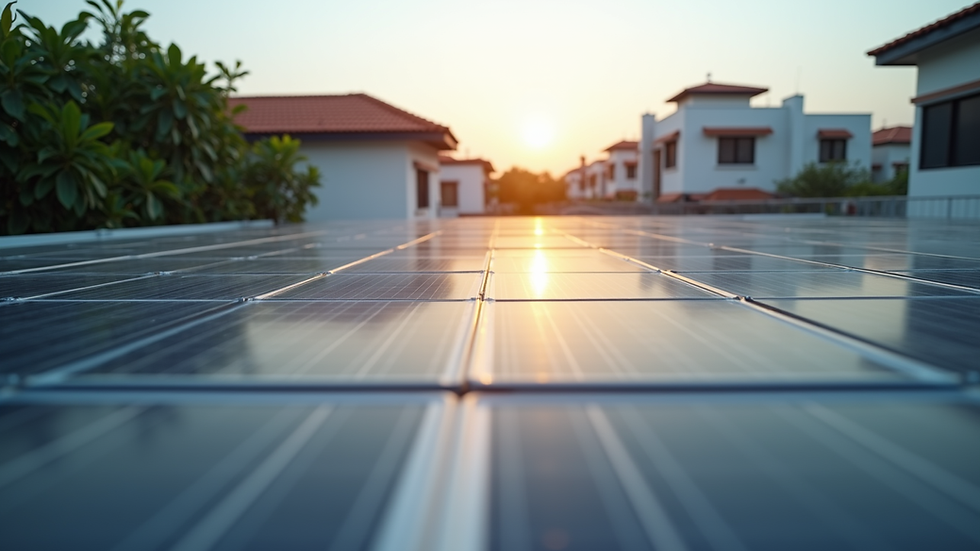
How Sustainable Energy Practices Benefit Homes and Businesses
Switching to sustainable energy is not just good for the environment; it also makes economic sense. Here are some benefits you can expect:
Cost Savings: Solar power systems can significantly reduce your electricity bills. With battery storage, you can store excess energy for use during peak hours or outages.
Energy Independence: Generating your own power reduces reliance on the grid and protects you from price fluctuations.
Increased Property Value: Homes and offices with green energy installations often see higher market value.
Government Incentives: Various schemes offer financial support for installing renewable energy systems.
Corporate Social Responsibility: Businesses adopting sustainable energy demonstrate commitment to environmental stewardship, enhancing their brand image.
For example, installing a solar rooftop system combined with an EV charging station can transform your property into a self-sufficient energy hub. This setup not only powers your home or office but also supports clean transportation.
What are the 7 Main Sources of Renewable Energy?
Understanding the different types of renewable energy can help you choose the best options for your needs. Here are the seven main sources:
Solar Energy: Captured through photovoltaic panels or solar thermal systems, solar energy is abundant and ideal for Bengaluru’s sunny climate.
Wind Energy: Wind turbines convert wind into electricity. While more common in coastal and rural areas, small-scale wind systems can be used in urban settings.
Hydropower: Using flowing water to generate electricity, hydropower is a reliable source but depends on local water resources.
Biomass Energy: Organic materials like agricultural waste and wood can be converted into energy through combustion or biogas production.
Geothermal Energy: Heat from the earth’s core can be harnessed for electricity and heating, though it is location-specific.
Tidal Energy: Energy generated from ocean tides, still in early stages of development in India.
Ocean Thermal Energy: Uses temperature differences in ocean water to produce power, also an emerging technology.
Among these, solar energy is the most accessible and widely adopted in urban areas like Bengaluru. Combining solar with battery storage and smart energy management systems can maximize efficiency and reliability.

Practical Steps to Adopt Sustainable Energy in Your Property
If you’re ready to make the switch to sustainable energy, here are some actionable steps to get started:
Assess Your Energy Needs: Understand your current consumption patterns to size your renewable energy system correctly.
Explore Solar Options: Consider rooftop solar panels, solar water heaters, or solar-powered lighting.
Invest in Battery Storage: Batteries store excess energy for use during non-sunny hours, increasing your energy independence.
Install EV Charging Stations: If you own or plan to buy an electric vehicle, setting up a home or office charging point is a smart move.
Leverage Government Schemes: Check for subsidies, tax benefits, and net metering policies available in Bengaluru.
Choose Reliable Providers: Work with experienced companies that offer end-to-end solutions, including installation, maintenance, and monitoring.
Monitor and Optimize: Use smart meters and apps to track your energy production and consumption, making adjustments as needed.
By following these steps, you can create a sustainable energy system tailored to your lifestyle or business operations. This approach not only reduces your carbon footprint but also enhances your energy resilience.
The Future of Sustainable Energy in India and Your Role
India’s commitment to renewable energy is strong, with ambitious targets to increase clean energy capacity. Innovations in technology, falling costs, and supportive policies are driving rapid growth. As a homeowner or business in Bengaluru, you are at the forefront of this transformation.
By adopting sustainable energy practices, you contribute to a cleaner environment and inspire others to follow suit. Whether it’s installing solar panels, using energy-efficient appliances, or supporting green transportation, every action counts.
Remember, sustainable energy is not just about technology; it’s about a mindset shift towards responsible consumption and long-term thinking. Together, we can build a future where energy is abundant, affordable, and environmentally friendly.
For more detailed guidance and solutions tailored to your needs, consider consulting experts who specialize in comprehensive green energy systems. They can help you navigate options and implement the best strategies for your home or office.
I hope this overview has given you a clear understanding of sustainable energy practices in India and how you can be part of this exciting journey. Embracing these changes today will ensure a brighter, greener tomorrow for all of us.
For more information on sustainable energy india, you can visit this resource.


Comments