
The Importance of Sustainable Energy in India

India is at a critical juncture in its energy journey. With rapid urbanization, industrial growth, and a rising population, the demand for energy is soaring. However, traditional energy sources like coal and oil are not only finite but also harmful to the environment. This makes the shift towards sustainable energy not just a choice but a necessity for India’s future. Understanding the importance of sustainable energy can help shape policies, investments, and everyday choices that benefit both the economy and the environment.
Understanding the Importance of Sustainable Energy in India
India’s energy landscape is evolving. The country is one of the largest consumers of energy globally, and its reliance on fossil fuels has led to significant environmental challenges such as air pollution and greenhouse gas emissions. Sustainable energy offers a cleaner, renewable alternative that can reduce these negative impacts.
The importance of sustainable energy lies in its ability to provide:
Environmental benefits: Reducing carbon emissions and pollution.
Energy security: Decreasing dependence on imported fuels.
Economic growth: Creating jobs in new energy sectors.
Social development: Providing electricity to remote and underserved areas.
By investing in sustainable energy, India can meet its growing energy needs while protecting natural resources and improving public health.

What are the 4 examples of sustainable energy?
Sustainable energy comes from sources that are naturally replenished and have minimal environmental impact. Here are four key examples relevant to India’s energy transition:
Solar Energy
India receives abundant sunlight throughout the year, making solar power a highly viable option. Solar panels convert sunlight directly into electricity, which can be used for homes, businesses, and even large-scale power plants.
Wind Energy
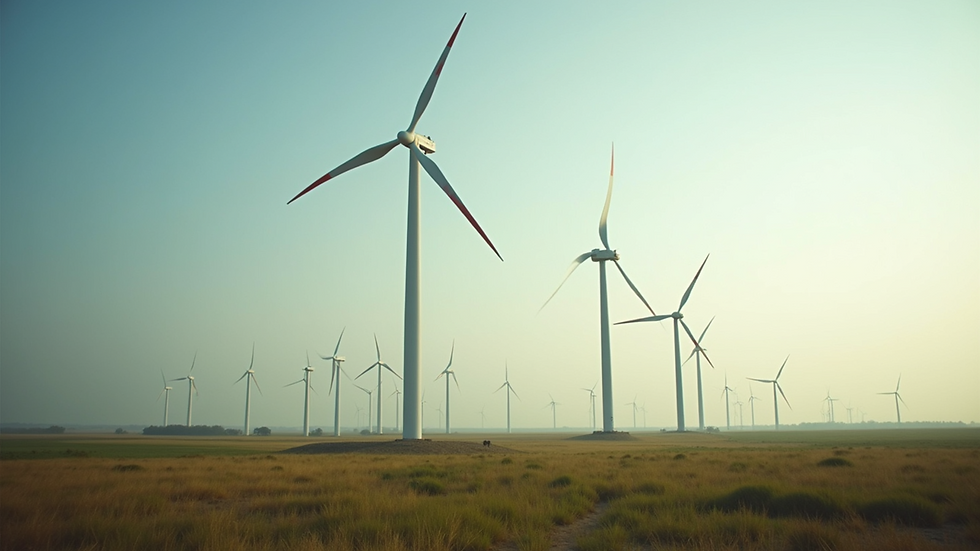
Wind turbines harness the kinetic energy of wind to generate electricity. Coastal regions and some inland areas in India have strong wind currents, making wind energy a significant contributor to the renewable energy mix.
Hydropower
Using flowing water to generate electricity, hydropower is one of the oldest renewable energy sources. India has many rivers and dams that support hydropower projects, providing a steady and reliable energy supply.
Biomass Energy
Biomass energy is produced from organic materials like agricultural waste, wood, and animal dung. It is especially important in rural India, where it can be used for cooking and heating, reducing reliance on fossil fuels.
Each of these energy sources plays a vital role in diversifying India’s energy portfolio and reducing environmental harm.
How Sustainable Energy Supports Economic Development
The transition to sustainable energy is not just about the environment; it also drives economic growth. India’s renewable energy sector has created millions of jobs in manufacturing, installation, maintenance, and research. This growth supports local economies and reduces poverty by providing new employment opportunities.
Moreover, sustainable energy projects often require less water and fewer raw materials compared to fossil fuel plants, lowering operational costs. The decentralization of energy production through solar rooftops and small wind farms empowers communities and reduces transmission losses.
Investing in sustainable energy infrastructure also attracts foreign investment and technology partnerships, boosting India’s global competitiveness.
Challenges in Adopting Sustainable Energy in India
Despite the clear benefits, India faces several challenges in fully adopting sustainable energy:
High initial costs: Although prices are falling, the upfront investment for renewable energy infrastructure can be significant.
Grid integration: Managing the variability of solar and wind power requires advanced grid technology and storage solutions.
Land acquisition: Large-scale projects need land, which can lead to conflicts and delays.
Policy and regulatory hurdles: Consistent and supportive policies are essential to encourage investment and innovation.
Addressing these challenges requires coordinated efforts from government, industry, and communities to create an enabling environment for sustainable energy growth.
Practical Steps to Promote Sustainable Energy in India
To accelerate the adoption of sustainable energy, India can focus on several actionable strategies:
Enhance policy support: Implement clear, long-term policies that incentivize renewable energy investments.
Invest in technology: Support research and development in energy storage, smart grids, and efficient solar and wind technologies.
Promote awareness: Educate citizens and businesses about the benefits and opportunities of sustainable energy.
Encourage decentralized energy: Support rooftop solar and small-scale renewable projects to increase energy access.
Strengthen financing: Provide affordable loans and subsidies to reduce the financial burden on consumers and developers.
By following these steps, India can build a resilient and sustainable energy future.
Looking Ahead: India’s Sustainable Energy Future
India’s energy future depends on embracing cleaner, renewable sources. The shift to sustainable energy is essential for reducing pollution, ensuring energy security, and fostering economic growth. With abundant natural resources and growing technological capabilities, India is well-positioned to lead the global energy transition.
For more information on how sustainable energy can transform India, visit Nuvix Energy to learn about innovative solutions and initiatives driving this change.
The journey towards sustainable energy is a collective effort that requires commitment from all sectors of society. By prioritizing renewable energy, India can secure a healthier, more prosperous future for generations to come.


Comments